Cannes Travel Guide: What to See, Do, and Experience
Cannes, la ville du Festival
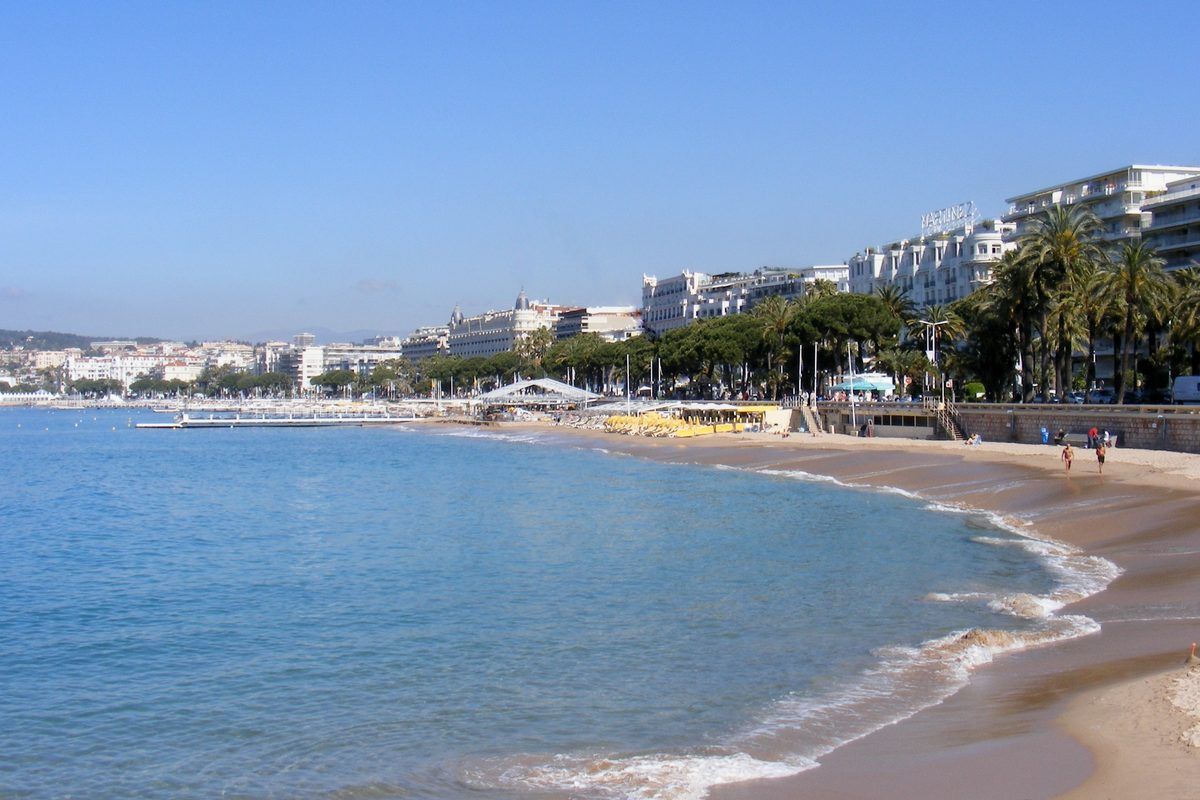
._-_panoramio.jpg)
Why Visit Cannes?
Cannes has a reputation shaped almost entirely by its Film Festival — which is to say, a reputation for glamour, exclusivity, and crowds that most ordinary visitors watch from a comfortable distance. The city that exists for the other fifty weeks of the year is a different proposition: a working Mediterranean port with a handsome seafront promenade, a well-preserved hilltop old town, excellent morning markets, and offshore islands a short boat ride from the harbour.
It is worth a full day, and it rewards coming back. Those who dismiss it as a one-note celebrity destination tend to have seen only La Croisette on a busy afternoon.
When to Visit Cannes
The Cannes Film Festival typically runs for about twelve days in mid-May. During that period the city is at its most crowded and its most expensive, with hotels booked far in advance and La Croisette occupied by the industry machinery of world cinema. If you want Cannes without the pressure, April, early May (before the festival), and September are the best windows: warm, clear, and markedly calmer.
July and August are busy and hot. Beaches fill early and accommodation prices reflect the demand. That said, summer is when the Lérins Islands are at their best, and the city’s open-air restaurants and café life are in full swing. Autumn is underrated: the sea stays swimmable into October, the crowds thin considerably, and the light over the bay turns softer and warmer.
Getting to Cannes
The straightforward option from Nice is the TER regional train from Nice-Ville station. Services run approximately every fifteen minutes throughout the day, and the journey takes between 25 and 40 minutes depending on whether the train is direct or calls at intermediate stations. Tickets are inexpensive and can be bought at station machines or from SNCF Connect online; on TER services you can board any train on the day, there is no reserved-seat requirement.
Cannes station (Gare de Cannes) is on Rue Jean Jaurès, roughly ten minutes on foot from La Croisette and the Palais des Festivals.
Driving is possible but brings no advantage — parking in central Cannes is limited and frequently frustrating. The train is simpler in almost every respect.
What to See in Cannes
La Croisette. The seafront boulevard runs for around 2.5 kilometres from the Palais des Festivals in the west to Port Canto in the east. The western stretch is the famous one: the Carlton, the Majestic, and the Martínez face the beach across a broad, palm-lined promenade. Walk it in the morning, when the light is good and the crowd is thinner. Most of the seafront is occupied by private beach clubs in summer; public beach access is available at the western end near the Palais, and at Plage du Midi on the other side of the old harbour.
Le Suquet. Cannes’ old town rises on the hill directly above the Vieux Port. The streets are cobbled and steep, the scale is small, and the climb is worth the effort for the panorama from the top: the bay, the offshore islands, and the full sweep of La Croisette laid out below. The Musée de la Castre, housed in the medieval castle at the summit, holds a collection of Mediterranean and world ethnography; admission is around €6 for adults, and the views from the castle tower are the main draw for many visitors.
Marché Forville. The covered market at the foot of Le Suquet opens every morning until around 1pm. Stalls sell fresh produce, fish, cheese, flowers, and Provençal specialities. On Monday the food market is replaced by a brocante (flea market). Arrive before 10am for the best of it.
Rue d’Antibes. Running one block inland from and parallel to La Croisette, this is the everyday shopping street: independent boutiques, perfumeries, shoe shops, and cafés. It is where local residents shop rather than tourists window-browse.
Events in Cannes
The Cannes Film Festival is the defining event of the city’s calendar. Founded in 1946 and now one of the most prominent film festivals in the world, it draws the global film industry to the Palais des Festivals each May for around twelve days. Public access to screenings is limited to credential-holders, but the city during the festival is an experience in its own right: the Croisette is lively, spontaneous public events take place on the beach, and the atmosphere is unlike anything else on the Riviera. If the festival itself is your reason for coming, book well in advance — accommodation fills months ahead.
Outside May, Cannes hosts cultural programming and markets through the year, including a Christmas market in December.
Where to Stay in Cannes
Hotel options line La Croisette — the palace hotels are prestigious and priced accordingly, particularly during festival season. Mid-range accommodation is available around the station and along the streets behind Rue d’Antibes. Many visitors find it practical to stay in Nice and make Cannes a day trip; at 30–35 minutes by train, the journey is short enough to make this a reasonable approach, and Nice offers a broader range of accommodation across most budgets.
Practical Information
Getting around the city. Cannes is compact and walkable. The Vieux Port, Le Suquet, Marché Forville, and La Croisette are all within comfortable walking distance of each other and of the station.
The Lérins Islands. Ferries depart from the Vieux Port for Île Sainte-Marguerite and Île Saint-Honorat, with crossings taking 15 to 20 minutes. The islands are forested, car-free, and quiet — a pronounced contrast to the Croisette. Sainte-Marguerite has walking paths and the Fort Royal (where the Man in the Iron Mask was reportedly imprisoned). Saint-Honorat is home to a working Cistercian monastery that produces wine. Multiple ferry operators serve the islands; check timetables at the harbour, especially outside peak season. Note that there is no direct ferry between the two islands — you must return to the harbour to change boats.
Visiting during the Film Festival. If you are in Cannes during mid-May without festival credentials, expect significant crowds around the Palais and La Croisette, elevated prices across the board, and limited accommodation availability. The old town and market area are generally less affected. Plan ahead and book anything that needs booking well in advance.
Practical basics. French is spoken everywhere. Card payments are accepted at most restaurants and shops; a small amount of cash is useful for market stalls and some cafés.
La ligne du littoral The whole coast by train, from Nice
Direct TER trains along the coast — approximate journey times from Nice-Ville. Temps de trajet approximatifs au départ de Nice-Ville.