French Riviera in Winter: Events, Weather, and What to Expect
L'hiver sur la Côte d'Azur
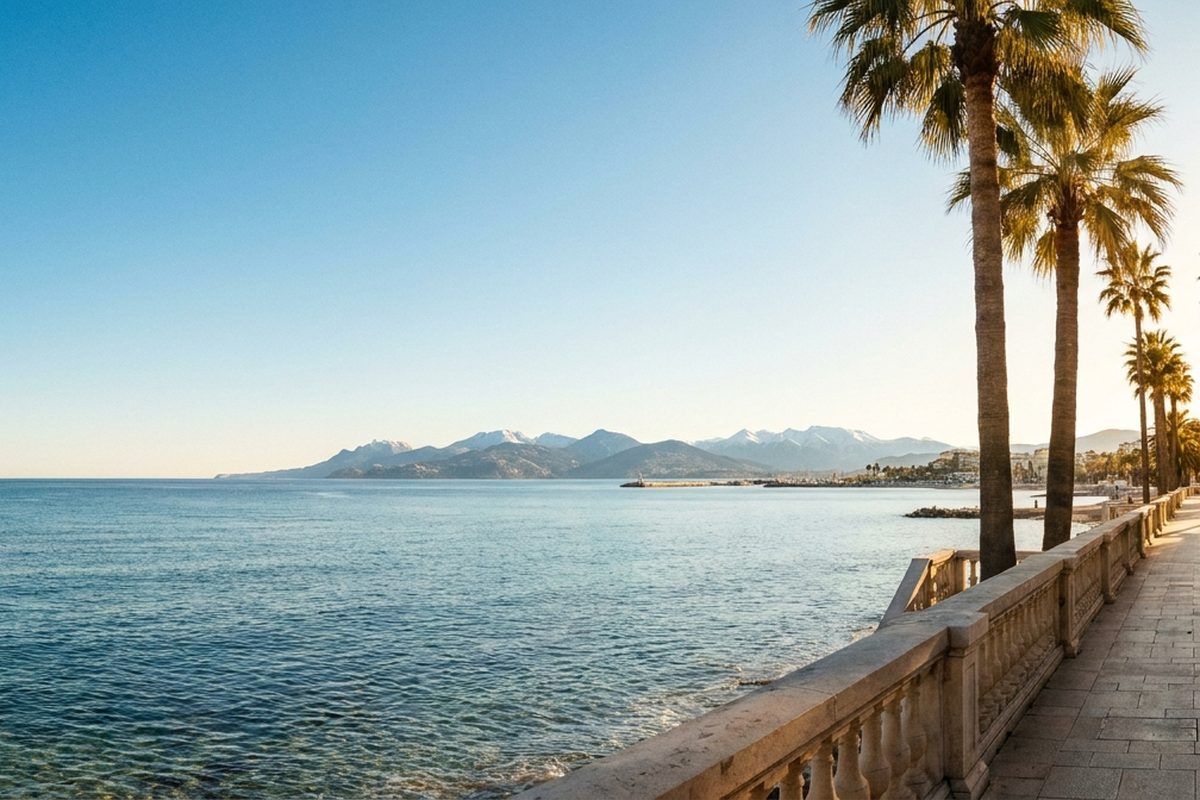
Winter — November through March — is the French Riviera’s quieter season, and a more rewarding one than its reputation suggests. The coast stays mild relative to northern Europe, two of the region’s most distinctive festivals arrive in February, and Nice without summer crowds is a more comfortable city to explore.
Why Visit the French Riviera in Winter?
Less crowding, lower accommodation prices outside of Carnival, and a Riviera that feels more local and unhurried. Nice’s old town, markets, and museums are all better experienced without the July press.
The climate helps more than most expect. Nice averages around 150–166 hours of sunshine per month from December to February — more than many northern European cities see in June. The Maritime Alps shelter the coast from cold continental air; snow in Nice itself is very rare, and frost in the coastal strip is unusual.
Winter Weather
November is the wettest month, with around twelve rainy days and temperatures of 10–16°C. December and January are the coolest: highs around 12–13°C, lows around 6–7°C, roughly six rainy days per month. February brings more sunshine — around 166 hours — and the temperatures begin to ease. March is transitional: highs climbing toward 15°C, sunshine increasing to around 218 hours per month, and the hills turning green.
Pack layers. A warm coat and a mid-layer cover the range. By northern European standards, the coast is cool rather than cold.
Winter Events
Three events define the French Riviera’s winter calendar.
Carnaval de Nice
Nice Carnival runs for approximately three weeks in February — opening in mid-February, closing around Mardi Gras — with the precise dates shifting each year with the Easter calendar. The event is built around two formats: the corsos carnavalesques (main float processions, with both afternoon and nighttime illuminated editions) and the batailles de fleurs (afternoon flower-throwing parades where performers toss freshly cut blooms into the crowd). Place Masséna and the Promenade des Anglais are the principal venues. A free-entry Carnival Village on the Promenade du Paillon runs throughout the event period.
Dates and tickets are published each autumn at nicecarnaval.com. Accommodation in Nice during the festival weeks fills quickly once the programme appears.
See the Carnaval de Nice guide for full practical detail.
Fête du Citron, Menton
Menton’s Lemon Festival runs for roughly two weeks in February and into early March. Large sculptural arrangements built from lemons and oranges — each year on a new theme — are displayed in the Jardins Biovès alongside outdoor corsos through the old town. The festival draws more than 200,000 visitors across its run and is the main reason most people visit Menton in winter.
Menton is around 35 minutes from Nice by TER regional train. See the Fête du Citron guide for tickets and practical information.
Festival International du Cirque de Monte-Carlo
The Monte-Carlo International Circus Festival takes place in late January, running for around ten days at the Chapiteau in the Fontvieille district. Founded by Prince Rainier III in 1974, it is one of the most prestigious circus competitions in the world — drawing international companies across acrobatics, aerial work, and clowning — with gold, silver, and bronze Clown awards. Tickets are available through montecarlofestival.mc. Monaco is 25 minutes from Nice by train.
What to Do in Winter
Nice’s museums are at their most accessible: the Musée national Marc Chagall, the Musée Matisse on the Cimiez hill, and MAMAC are all open year-round and rarely busy in November or January. The Cours Saleya market runs Tuesday through Sunday mornings year-round and is particularly pleasant without summer crowds; the Monday antiques market is a good excuse for a morning in the old town.
Day trips work well. Eze village above the Moyenne Corniche is quieter in winter than at any other point of the year. The coastal path toward Villefranche-sur-Mer is comfortable on clear days. The villages of the Maritime Alps hinterland — Sospel, Saorge, Tende — are reachable by TER train for a very different landscape.
Planning Tips for Winter
- Book ahead for Carnival. Nice hotels fill quickly during the February festival weeks once dates are announced. Outside that window, winter availability is generally easy and prices are the best of the year.
- Check hours. Some smaller restaurants and independently run sites reduce their opening hours in November and early January. Large museums, markets, and transport are unaffected.
- Take the train for events. Driving into Nice during Carnival parade days is impractical — parking near the route is unavailable. The train is similarly the sensible approach for Monaco during the Circus Festival.
- Layers are sufficient. A proper warm coat and layering system covers everything the coast will throw at you in winter. It is cool, not cold.